

A practical Indian guide to protecting dry, tight and flaky skin through cooler months, changing humidity and indoor air conditioning.
Explore the AI Business Growth ToolkitAffiliate Disclosure: Some links in this article are affiliate links. If you make a purchase through one of these links, CatchUWorld may earn a commission at no additional cost to you.
Amazon Associates Disclosure: As an Amazon Associate, CatchUWorld earns from qualifying purchases.
Winter skincare for dry skin is not about buying the biggest routine. In India, the most useful approach is to cleanse gently, moisturise while skin is still slightly damp, protect exposed lips and hands, and choose richer body care for areas that become rough. The right products depend on your skin type, climate, bathing habits and sensitivity, so use this guide to compare formats and ingredients rather than chasing a single “best” product.
Quick Navigation
What changes in Indian winter?
Indian winters are not identical everywhere. Delhi, Punjab, Rajasthan and parts of Uttar Pradesh can feel dry and cold, while coastal cities may remain humid but still create tightness after bathing or spending time in air-conditioned rooms. Bengaluru, Hyderabad and Pune can also bring cooler mornings with low-humidity spells. This is why a light gel may be comfortable for one person while another needs a cream with a more protective finish.
Dryness usually feels like tightness, rough texture, mild flaking or increased sensitivity. It is not always a sign that the skin needs strong exfoliation. Scrubbing, hot water and frequent use of fragranced products can make the problem more noticeable. A simple routine that supports the skin barrier is often a better starting point.
Four useful winter skincare choices
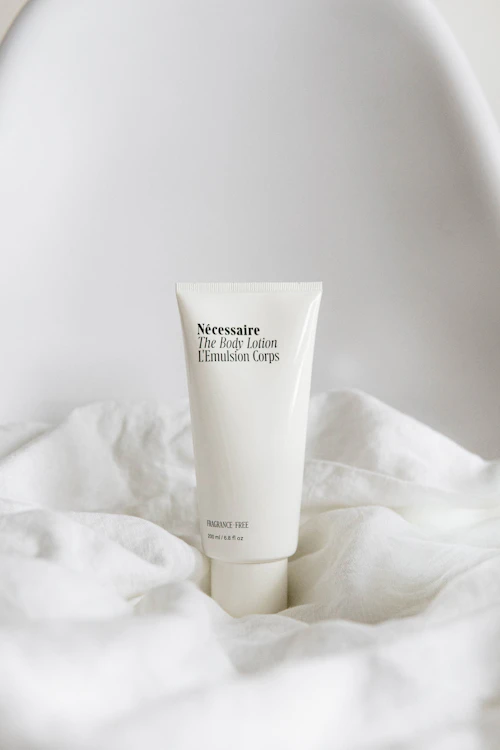
A barrier-focused moisturiser is a sensible first purchase if your face feels tight after cleansing or looks dull and flaky in winter. Look for a comfortable cream or lotion texture with ingredients such as ceramides, glycerin, squalane or hyaluronic acid. Ingredient performance can vary by formula, so focus on how your skin responds over several days rather than choosing by a single ingredient name.
Key Features- ✓ Helps reduce the feeling of tightness
- ✓ Suitable for morning and evening use
- ✓ Can sit under sunscreen when applied in a thin layer
Buying guidance: If you have combination skin, apply more around the cheeks and less around the nose or forehead. Fragrance-free options may be preferable when your skin is reactive.

A richer cream can be useful when a regular lotion disappears too quickly or when cold wind leaves the cheeks uncomfortable. It generally feels more protective, although it may be too heavy for oily or acne-prone skin if spread over the entire face. Use a small amount and add another thin layer only where needed.
Key Features- ✓ More cushioning than a lightweight lotion
- ✓ Useful for night-time moisturising
- ✓ Can be applied selectively to dry patches
Buying guidance: Patch test new products near the jaw or behind the ear first. If burning, persistent redness or swelling occurs, stop using the product and seek medical advice.

Lips lose moisture quickly because they have a thinner protective barrier than much of the facial skin. A balm with petrolatum, waxes, shea butter or similar occlusive ingredients can help reduce moisture loss. Apply before going outdoors, after eating when needed, and before bed.
Key Features- ✓ Creates a protective layer over the lips
- ✓ Easy to carry in a pocket or handbag
- ✓ Can be reapplied during the day
Buying guidance: Strong fragrance, cooling agents or flavouring may irritate some chapped lips. If a balm seems to make dryness worse, switch to a simpler formula and avoid licking the lips repeatedly.

Body dryness is often easiest to manage immediately after bathing. Pat the skin gently, then apply lotion while it still retains a little moisture. A lighter lotion may work for the daytime, while a thicker cream can be more comfortable for feet, elbows and knees at night.
Key Features- ✓ Practical for large areas of the body
- ✓ Helps soften rough-feeling skin
- ✓ Available in lotion, cream and balm textures
Buying guidance: If you have very rough or bumpy areas, look for carefully formulated products containing urea or lactic acid, but introduce them gradually and avoid applying to cracked or freshly shaved skin.
Quick comparison
| Option | Typical range | Best use | Main consideration |
|---|---|---|---|
| Barrier face moisturiser | ₹250–₹900 | Daily facial dryness | Choose texture for your skin type |
| Rich facial cream | ₹300–₹1,200 | Very dry patches | May feel heavy on oily skin |
| Lip balm | ₹80–₹450 | Chapped lips | Avoid irritating flavour or fragrance if sensitive |
| Body lotion or cream | ₹180–₹800 | Arms, legs, feet and hands | Apply soon after bathing |
For most people beginning a winter skincare routine, a well-tolerated face moisturiser offers the best balance of everyday usefulness, manageable texture and flexible application. Add a lip balm or body lotion according to the areas that need extra care.
A simple routine for winter
In the morning, use a gentle cleanser only if needed, apply face moisturiser to slightly damp skin and finish with sunscreen when you will be outdoors. Sunscreen remains relevant in winter because daylight and ultraviolet exposure do not disappear when temperatures fall. At night, cleanse away sunscreen and pollution, then use moisturiser again.
For the body, keep showers comfortably warm rather than very hot and avoid prolonged bathing. Apply body lotion within a few minutes of drying. Keep a lip balm where you will remember to use it, such as beside your bed or in your work bag. More tips are available in our skincare routine guide, sensitive-skin product guide and self-care ideas for home.
For broader shopping inspiration, readers can also browse our home and personal-care recommendations, Indian beauty shopping guide and budget-friendly daily essentials list.
Useful supporting resources
CatchUWorld readers can also explore the Amazon resource and another Amazon recommendation featured on the site. These links are supplementary; always read the current product label and select a format that suits your own skin.
If you enjoy discovering Indian ethnic fashion alongside lifestyle content, follow @SriSharadaCollections on Instagram. To order an available item, visit the page, follow it and choose a current product, send the product to WhatsApp or Instagram for payment processing, provide billing and shipping details, and attach the phone-payment screenshot as instructed.

Budget, Editor's and Premium choices
Frequently Asked Questions
1. How often should I moisturise in winter?
Most people can moisturise the face once or twice daily and the body after bathing. Dry hands, lips and very rough areas may need reapplication during the day.
2. Should oily or acne-prone skin use moisturiser?
Yes, but choose a lighter, non-greasy texture and apply a modest amount. If a product repeatedly causes congestion or irritation, stop using it and consider professional advice.
3. Is hot water good for dry skin?
Very hot or prolonged showers can make dryness feel worse by removing surface oils. Use comfortably warm water and moisturise soon after drying.
4. When should I see a dermatologist?
Seek medical advice for persistent cracking, bleeding, intense itching, swelling, painful rashes or symptoms that do not improve with gentle care.
Follow CatchUWorld
Stay connected for practical shopping, beauty, lifestyle and creator-focused guides.
Books Instagram FacebookThe best winter skincare for dry skin in India is a simple, consistent routine built around gentle cleansing, timely moisturising and products your skin can comfortably tolerate.
« Prev Post
Next Post »




Guidecraft-Desk+Hutch+Chair+Set.jpg)


0 Comments
Please do not enter any spam link in the comment box.